Buying a short-term vacation rental (STVR) friendly condo on the Big Island of Hawaii can be a fantastic lifestyle and investment move—but it comes with layers of nuance that buyers should understand, especially if you've never owned real estate in Hawaii before. This guide is written to help you make a well-informed decision by diving deep into the essential factors you need to evaluate before purchasing. Whether you plan to self-manage or work with a property manager, use your condo part-time or run it as a full-time short-term rental, this resource will walk you through what you need to know.
1. What Areas Have STVR Condos for Sale on the Big Island?
The Big Island offers several distinct regions where vacation rental condos are both legally allowed and in high demand. Each area comes with its own lifestyle perks, weather patterns, rental potential, guest demographics, and price points. Here are the main areas to consider:
KAILUA-KONA

Kailua-Kona (known locally as just Kona), particularly along Ali'i Drive and extending into Keauhou, is the heart of the Big Island’s vacation rental scene. You’ll find the largest concentration of oceanfront condos here, plus walkability to a couple of beaches (Magic Sands and Kahalu'u, depending on where you are), restaurants, shops, and nightlife. The proximity to the airport (KOA), Costco, and Kailua Pier makes Kona especially convenient for both owners and guests. Year-round dry, sunny weather is the norm, and the area offers a blend of local charm and tourist appeal. Kona is a top choice for buyers who want ocean access, vibrant surroundings, and consistent rental demand.
See all available STVR Kona condos for sale here
WAIKOLOA BEACH RESORT

Located about 30 minutes north of Kona, Waikoloa Beach Resort is a master-planned resort destination. It features 7 luxury condo complexes, two golf courses, the Kings' Shops and Queens' Marketplace shopping centers, and access to Anaehoʻomalu Bay ("A-Bay") for beach days and water sports. With wide sidewalks, resort amenities, and newer construction, it’s ideal for travelers and owners who want a polished, resort-centric experience.
See all available STVR Waikoloa Beach Resort condos for sale here
MAUNA LANI RESORT
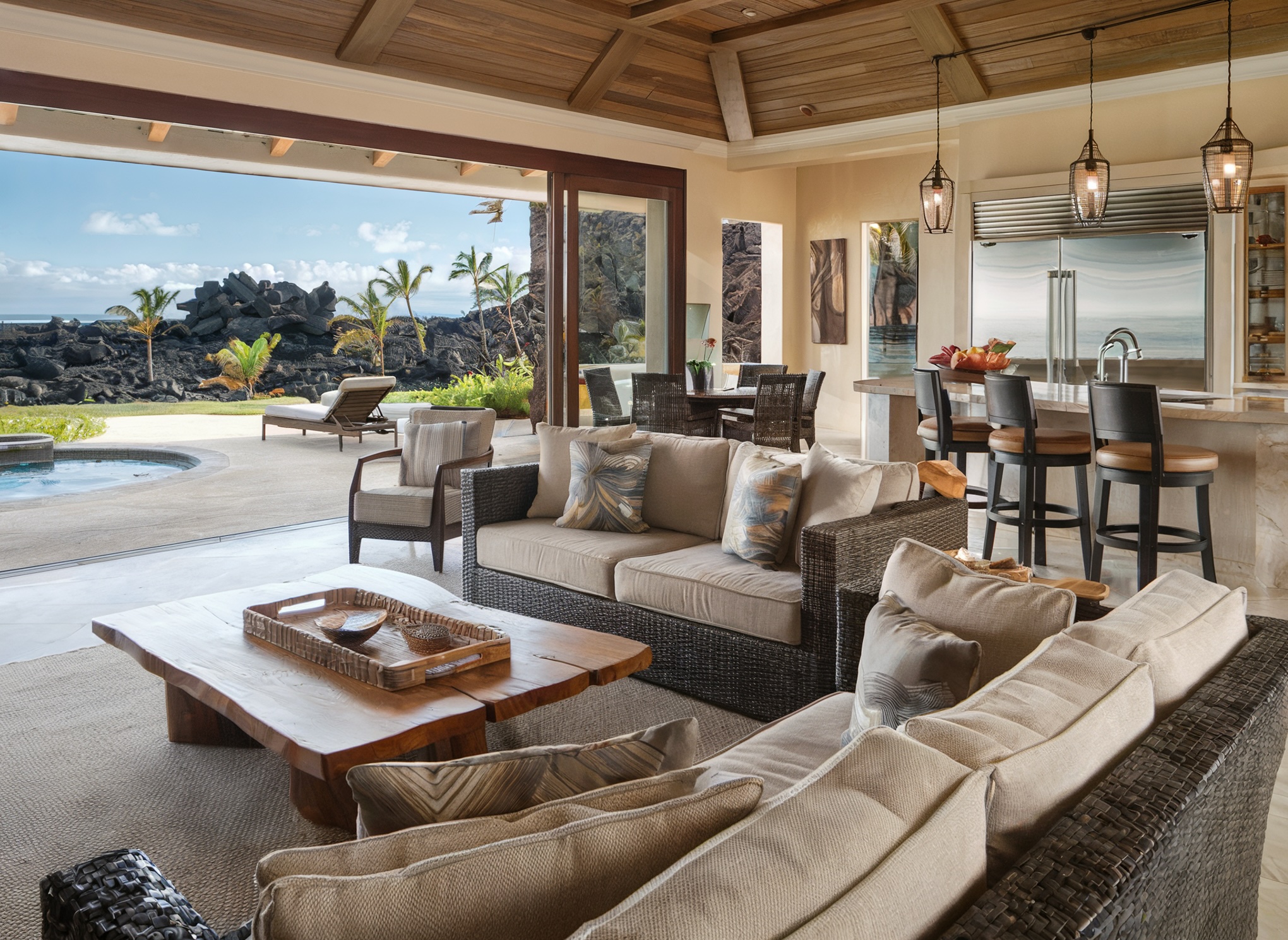
Known for a more private, low-density feel, Mauna Lani offers an upscale and tranquil resort experience. It includes two golf courses, The Auberge Mauna Lani hotel, and exclusive beach access via the Mauna Lani Beach Club. Residents and guests enjoy luxury spa services, gourmet markets, and gated communities. It appeals to buyers looking for elegance, serenity, and a refined Hawaiian atmosphere.
See all available STVR Mauna Lani Resort condos for sale here
WAIKOLOA VILLAGE
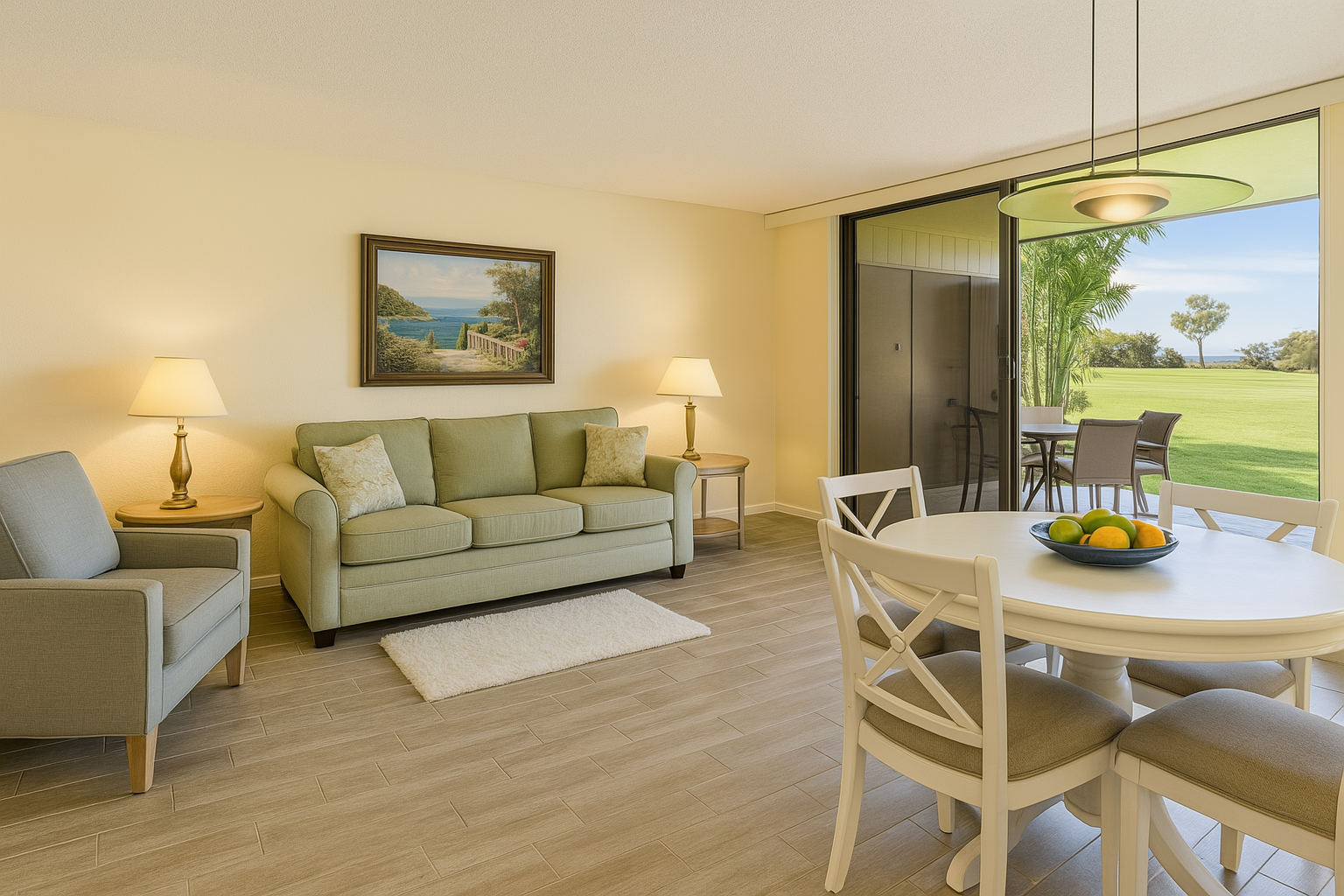
Waikoloa Village is a residential community located about 15 minutes uphill from the resort coast. It's more affordable, cooler in elevation, and has a mix of full-time residents and vacationers. The Village features its own golf course, shopping center, and restaurants. Some complexes allow short-term rentals, making it a good option for buyers looking for value while still being within a short drive of beaches and resorts.
See all available STVR Waikoloa village condos for sale here
MAUNA KEA RESORT
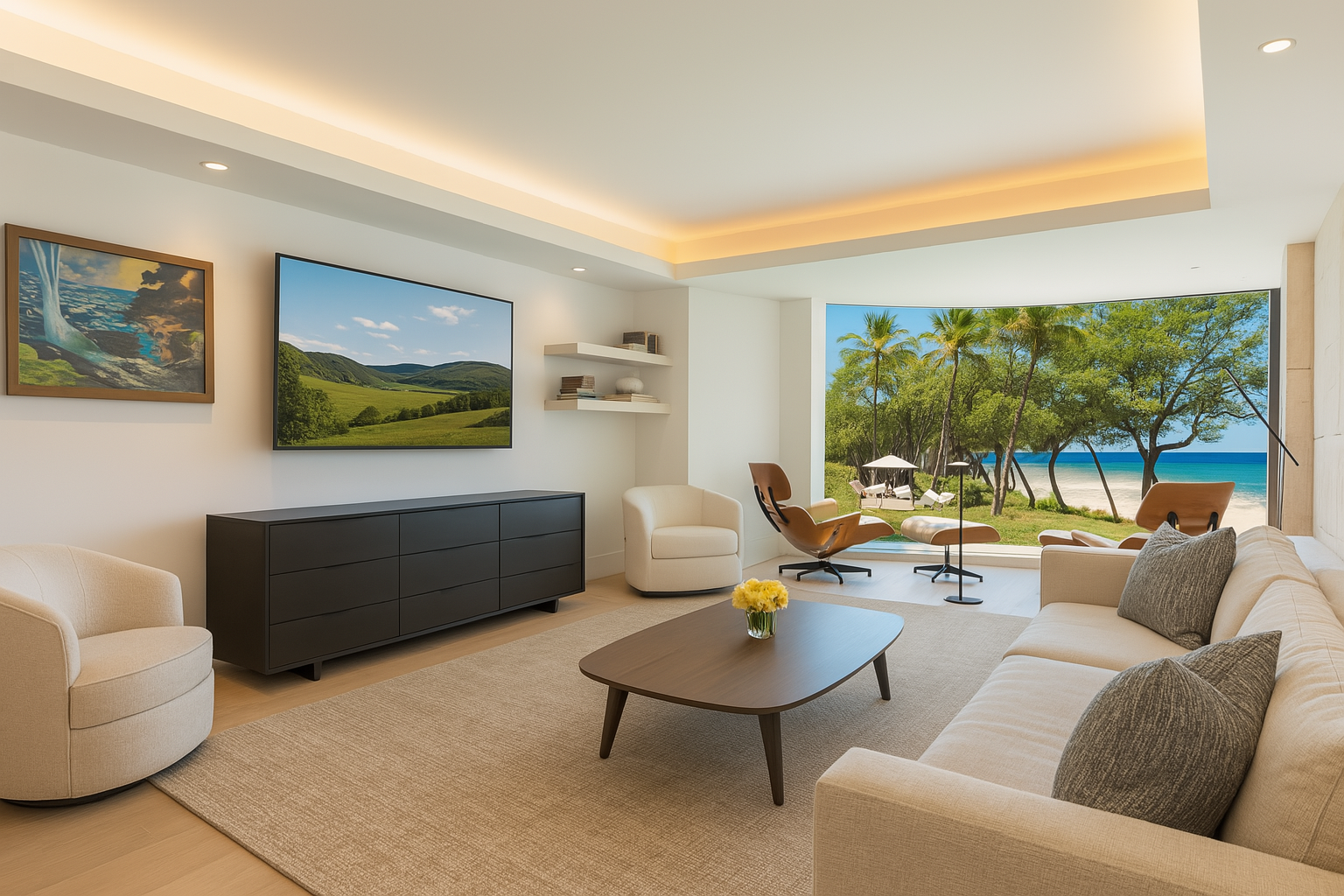
This is the most exclusive and luxurious resort area on the island. Mauna Kea Resort includes access to two of the island’s best beaches—Hapuna and Kaunaʻoa Bay—alongside the iconic Mauna Kea Beach Hotel and the Westin Hapuna Beach Resort. Condo communities here are few and elite, offering stunning views, top-tier amenities, and beach club memberships. This area is ideal for buyers seeking the ultimate blend of privacy, natural beauty, and prestige.
See all available STVR Mauna Kea Resort condos for sale here
Each of these areas draws different types of guests:
-
Kona: walkability, nightlife, and ocean views
-
Waikoloa Beach Resort: resort feel, close to beaches and golf, perfect for families
-
Mauna Lani: upscale, quiet, spa-like experience, golf, higher-end restaurants
-
Waikoloa Village: budget-friendly, laid-back, less touristy
-
Mauna Kea: high-end travelers, honeymooners, beach lovers
Nightly rates, occupancy trends, and ROI potential often mirror these lifestyle dynamics. Choose based on who you expect your ideal guest to be—or how you’d like to enjoy the unit yourself.
2. What’s Typically Included in the Monthly Condo Fee?
Monthly maintenance fees (often called HOA dues or AOAO fees in Hawaii) vary by complex but typically include:
-
Flood, fire, liability, and natural disaster insurance for the structure
-
Landscaping and grounds maintenance
-
Pool and spa maintenance
-
Roof and exterior repair/replacement
-
Plumbing and electrical infrastructure
-
Property management or on-site security (if applicable)
-
Garbage/recycling
-
Pest control
-
Cable (sometimes)
Be sure to review the budget and reserve study for each complex and consult with your Realtor. Some include water, sewer, or even internet. Others have higher fees but include major capital improvements.
3. What’s the Best Area If I Want Oceanfront?

If being near the ocean is your top priority, here’s what to know:
-
Kona has the largest number of true oceanfront condo complexes. Many are along Ali’i Drive and offer direct views and sounds of the water.
-
Waikoloa Beach Resort has a few ocean-adjacent options, notably Hali’i Kai and Kolea Kai, but Kolea is the only complex that offers direct beach access to A-Bay).
-
Mauna Lani has Mauna Lani Point (very nearly oceanfront, with only a strip of golf course between you and the water) and Terraces at Mauna Lani (very close to the water).
-
Mauna Kea features luxury communities with excellent views and beach access to Hapuna Beach.
Oceanfront properties tend to command premium pricing and are top performers for vacation rental income.
See all available oceanfront properties for sale here
4. Do They Allow Pets?
Pet policies are governed by the HOA of each complex. Some allow small dogs (under 20lbs), some only cats, some only birds. Here’s a general guide:
-
Mauna Lani & Mauna Kea: Generally pet-friendly
-
Waikoloa Beach Resort: No complexes allow pets
-
Kona & Waikoloa Village: Varies by building—some allow pets with restrictions
You'll want to check each complex out at the time of purchasing, as sometimes information online can be outdated.
Check this pet-friendly condo guide for details
5. Can I Legally Use the Condo as a Vacation Rental?
Just because a condo looks like a vacation rental doesn’t always mean it’s legal to use it as one. In Hawaii County, short-term rentals (defined as rentals under 30 days) are only allowed in certain zoning districts and in certain condo complexes, and the complex's AOAO must also allow it.
Ensure the condo you’re considering is:
-
Zoned for short-term rentals
-
Within a complex that permits it
-
Registered with the county, if required
As of 2025, all of Waikoloa Beach Resort, Mauna Lani, and Mauna Kea are zoned for short-term rentals. Kona and Waikoloa Village are on a case-by-case basis, and your Realtor should confirm all of this in writing before you go under contract.
6. What Kind of Income Can I Expect, and Will it Cash Flow?
Rental income varies widely based on location, amenities, seasonality, and how often you use the condo yourself. Expect higher returns in oceanfront or resort-located units, especially those that are upgraded and marketed professionally.
One of the most common questions we get asked is "will it generate positive ROI?" We have worked with property managers to generate income projections and, using some general cost estimates along with property tax information, the answer is:
-
Yes if you pay cash
-
Sometimes if you finance it
If you're putting 30% down, you would be hard-pressed to find a condo that brings in enough income to offset the expenses alongside the mortgage. Once you get to 60–70% down payment with the remainder financed, you can start to break even and then generate positive cash flow.
We recommend reaching out to us and we’ll connect you with a few reputable property managers who can share historical data and realistic projections for specific units or complexes.
7. What Are the Startup Costs and Ongoing Monthly Expenses?
Many first-time buyers overlook startup expenses, which can include:
-
Furniture, kitchenware, linens
-
STVR registration or permitting fees
-
GET/TAT license applications
-
Photography and listing setup
-
Upgrades or renovations
-
Property management setup fees
For monthly and yearly expenses, be sure to factor in:
-
Monthly condo association fees
-
Property taxes
-
Insurance
-
Utilities (internet, electricity)
-
Ongoing maintenance and repair
8. What Taxes Will I Owe?
Owning a vacation rental in Hawaii means dealing with several taxes:
-
General Excise Tax (GET): 4.5% on gross rental income
-
Transient Accommodation Tax (TAT): 10.25% on short-term rental income
-
Hawaii County TAT Surcharge: 3%
-
Property taxes: Higher for non-owner occupants ("non-homeowner" class)
Be sure to consult a Hawaii-based tax professional. Many owners pass these tax charges along to guests at booking.
9. Fee Simple vs. Leasehold
Some condos in Kona are leasehold, which means you don’t own the land beneath the building—you lease it. Lease terms, lease rents, and lease expiration dates vary, and this can significantly impact financing, resale value, and monthly costs.
Read more about Fee Simple vs. Leasehold here
10. Self-Management vs. Property Manager
While some owners manage their units remotely, most successful vacation rentals in Hawaii are run by professional property managers. These companies typically charge 20–30% of gross rents but provide everything from guest communication to cleaning, maintenance, permitting, and emergency response.
Contact us directly—we can recommend a few trusted property managers so you can hear their pricing models and services directly.
11. Can I Use It Myself and Still Rent It Out?
Absolutely. Most owners block off dates for personal use and rent the rest of the year. This hybrid approach helps offset expenses while preserving vacation time for your own use. Obviously, the more empty dates you provide to your property manager, the more income they can bring in, and we always recommend letting the property manager maximize occupancy over the high season (Christmas/New Years, Ironman weeks, peak summer dates and holidays, etc.).
The balance between income and personal use is something worth discussing with your Realtor and your property manager before buying.
12. Financing Considerations
Financing a vacation rental condo in Hawaii can be more complex than a primary residence. Some lenders:
-
Require higher down payments (30%+)
-
Won’t lend on most leasehold properties
-
Require you to qualify based on rental income
-
Have specific criteria for condo associations (such as budget reserves or litigation history)
Use a lender who has experience with Big Island vacation condos. Your Realtor can help you vet options.
Ready to Dive In?
Buying a vacation rental condo on the Big Island is a decision that should be both strategic and aligned with your lifestyle. This guide is designed to give you a detailed overview, but every buyer’s situation is unique.
Reach out any time if you’d like to start the conversation. We’re happy to help you explore listings, analyze income potential, or connect you with trusted professionals on-island.
— Jeff Gaughan
REALTOR® | Owner, Kona Homes and Condos
808.491.8115
jeff.gaughan1@gmail.com